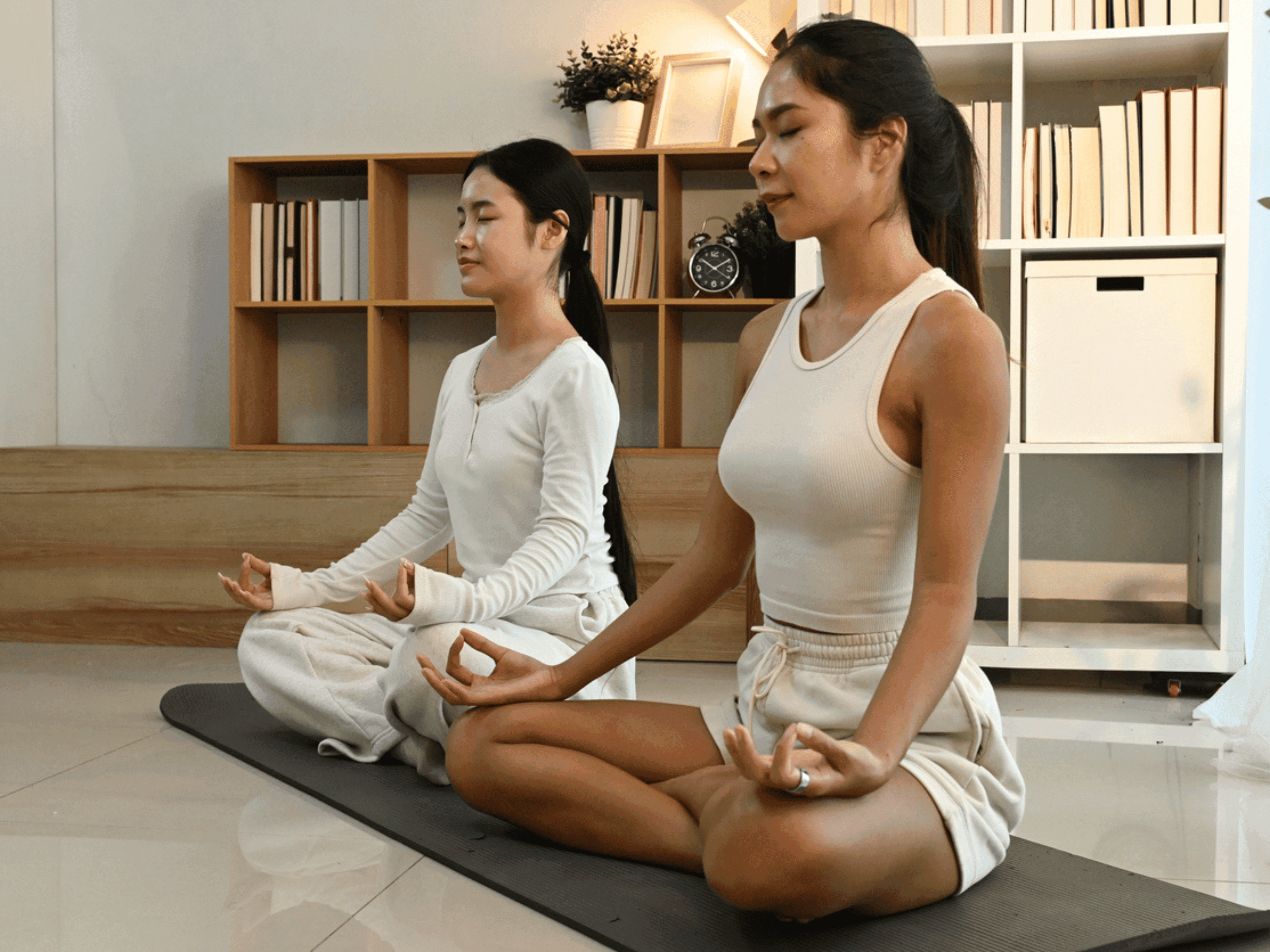
(5 Min Read) Mindfulness can begin with a brief moment of attention. You pause, notice your breath, and feel slightly more present in your day. Deepening this awareness usually means turning occasional moments into regular habits that fit the shape of your life.
This looks different for everyone. Some people prefer quiet reflection at home. Others feel most present outdoors or appreciate support from a professional.
Daily routines for a calmer day
It is usually easier to maintain mindfulness when it is woven into existing routines. Repeating familiar actions reduces the pressure to create extra time in your schedule. A few minutes after you wake or pausing before lunch can gradually build this familiarity.
Begin by focusing on one thing. That could be your breath, the feeling of your feet on the floor, or the sounds around you. Regular check-ins with the same focus make it easier to return when your attention drifts.
Does journalling change inner awareness?
A regular journalling habit helps you notice how your body and mind respond to daily events, making your mindfulness practice easier to understand and refine.
Long entries are not necessary. Brief prompts can guide your reflection and keep the process manageable. For example:
• What am I feeling in my body right now?
• Which moments felt more settled today?
• What seemed to unsettle me and how did I respond?
• What helped me return to the present moment?
Answering these questions regularly gives you a record of your experiences. With practise, you may see patterns in your mood, energy, and sleep that relate to how consistently you return to your mindfulness practice.
Working with a mindfulness professional can help you design journalling prompts that align with your personal goals. People often explore how their relationship with food and movement appears in their notes and use those insights to adjust their routine.
Is mindful walking useful for easing tension?
Turning an everyday activity into an opportunity to slow down internally, it supports your mindfulness practice by using movement as a focus point, which can be helpful if you find it hard to sit still.
A familiar route can be a helpful starting point. As you walk, you gently direct your attention to specifics such as:
• The feeling of your feet lifting and landing
• The sway of your arms
• The temperature of the air on your skin
• The sounds in your surroundings
If your mind wanders, you simply notice that shift and return to the next step. There is no need to judge the wandering. The act of noticing and returning is part of the training.
Do guided sessions build confidence?
Guided sessions give you a structure to follow. Listening to a professional talk you through the steps helps your attention stay focused and reduces the pressure to do it right on your own.
Different formats have different advantages:
• One-to-one sessions: you receive personalised guidance and time to reflect on your experiences
• Small groups: you practise in community and hear how others approach similar challenges
• Recorded sessions: you can revisit familiar exercises whenever you need support
Such work can introduce new techniques at a manageable pace. Breathing exercises, body scans, visualisation, or basic sound awareness can all be part of a flexible mindfulness practice. You learn which approaches help you respond to stress or low mood without feeling overwhelmed.
How is mindfulness linked to nutrition habits?
They often happen quickly and automatically. Bringing attention to how you eat can strengthen your mindfulness practice and change the way you experience meals.
Eating mindfully begins with a few clear steps. Pausing before a meal can make it easier to notice your level of hunger. Slowing your chewing slightly can also change how satisfied you feel afterwards.
A nutrition professional can help you notice how food choices influence your energy and mood. Together you may explore practical experiments, such as adjusting meal timing, planning balanced snacks, or staying hydrated through the day.
Can mindfulness improve sleep quality?
Sleep and awareness are closely linked. A regular mindfulness practice can create a calmer internal environment at night, which makes it easier to fall asleep and return to rest if you wake up.
Building a pre-sleep routine can signal to your body that it is time to wind down. Slow breathing or a few minutes of quiet reflection away from screens can all help.
Journalling can also support sleep. Noting the main concerns on your mind before bed may reduce late night overthinking. Doing so gives your thoughts a place to land so they feel less active when you lie down.
Which movement supports mindful awareness?
Movement is a core pillar of wellbeing, and it can play a central part in your mindfulness practice.
Basic stretches or low-impact exercise can become an opportunity to notice how your body feels. It becomes easier to recognise early signs of tension or fatigue and respond before they increase.
A professional can help you match movement styles to your goals and preferences. Certain people feel most present in slower practices, while others find focus in more dynamic sessions. Different approaches show how each type of movement influences mood, sleep, and appetite.
Do mindfulness skills steady emotional patterns?
Emotional patterns can appear in subtle shifts across the day. Moments of irritation or worry may feel less intense when you notice them early. Bringing attention to these changes helps you pause before reacting.
Journalling, mindful walking, and guided sessions can each highlight different aspects of emotional life. With time, your notes and memories from mindfulness practice show how certain situations tend to affect you and which responses feel most helpful.
Professionals working together for you
It is possible to work with more than one professional as your mindfulness practice develops and when you feel ready. A mindfulness expert may help you develop regular sessions, while a nutrition or sleep professional focuses on routines that support your energy and rest.
Sharing your goals across these pillars creates a clearer picture of your lifestyle.
What can you explore with AMA support?
Deepening your mindfulness practice is usually a gradual process. People experiment with different tools. Supportive options stay in your routine, while others fall away when life changes.
AMA brings together professionals across the Mindfulness, Nutrition, Activity, and Sleep pillars so you can build support that matches your goals.
Where you choose to begin is up to you. Plenty of people start with journalling support, while others prefer a familiar guided practice. Listen closely to your needs and give yourself room to progress at your own pace. If you feel ready, sign up to AMA and book a session with a professional who matches your goals.
Ama’s products and services aim to support a healthy lifestyle, but they should not replace professional medical advice. Our content and media are not meant to diagnose, treat, or cure any medical condition.