(6 Min Read)
Yoga is everywhere at the moment. You see classes in studios, community centres, gyms, workplaces and online. That choice can feel exciting, but it can also make it hard to know where to start.
If you have a busy life, low energy, or you are trying to rebuild a routine, the idea of picking the “wrong” class can be enough to put you off completely. The good news is there is no perfect option. The right yoga class is simply the one that fits how your life looks right now.
Start with what you need right now
Before looking at class names, it can help to think about what you want yoga to do for you today. Many people turn to yoga because they want steadier energy, a calmer mind, less tension after long workdays, or a simple way to reconnect with their body. Even a single session can help you get a sense of what yoga feels like for you and whether a particular style or teacher seems like a good fit. A quiet class can ease the pressure that builds up in corporate or busy environments, while a gentle flow can help you move in a way that feels natural when you are getting back into routine.
Yoga works well when you match the practice with your current lifestyle rather than an ideal version of it. On AMA, people either browse yoga sessions under the Activity pillar or start with the wellbeing quiz, then see how yoga appears alongside options for mindfulness, sleep and other movement-based support.
Understanding the most common types of yoga classes
When you start searching for a yoga class, you will often see the same names appear. Here is what they usually mean and who they tend to suit.
Restorative yoga
Restorative yoga is slow and supported. You stay in positions for longer and use props so your body can fully relax. This style often appeals to people who feel drained from long hours or constant screen time. A restorative session can help you slow your breathing, reduce physical tension and create a clearer break between the workday and the evening.
Yin yoga
Yin yoga also moves at a steady pace, but the focus is slightly different. You hold positions for a few minutes at a time to target deeper tissues and give yourself space to notice what is happening internally. People who sit for most of the day or feel physically tight often find this helpful. It can support a calmer evening routine and gently prepare the body for rest.
Vinyasa or flow yoga
Vinyasa, sometimes called flow, links movement and breath in a smooth, continuous way. It can help build strength and coordination and may suit you if you enjoy a bit more pace. Many people choose vinyasa in the morning or at lunchtime when they want to feel more awake and focused afterwards.
Hatha yoga
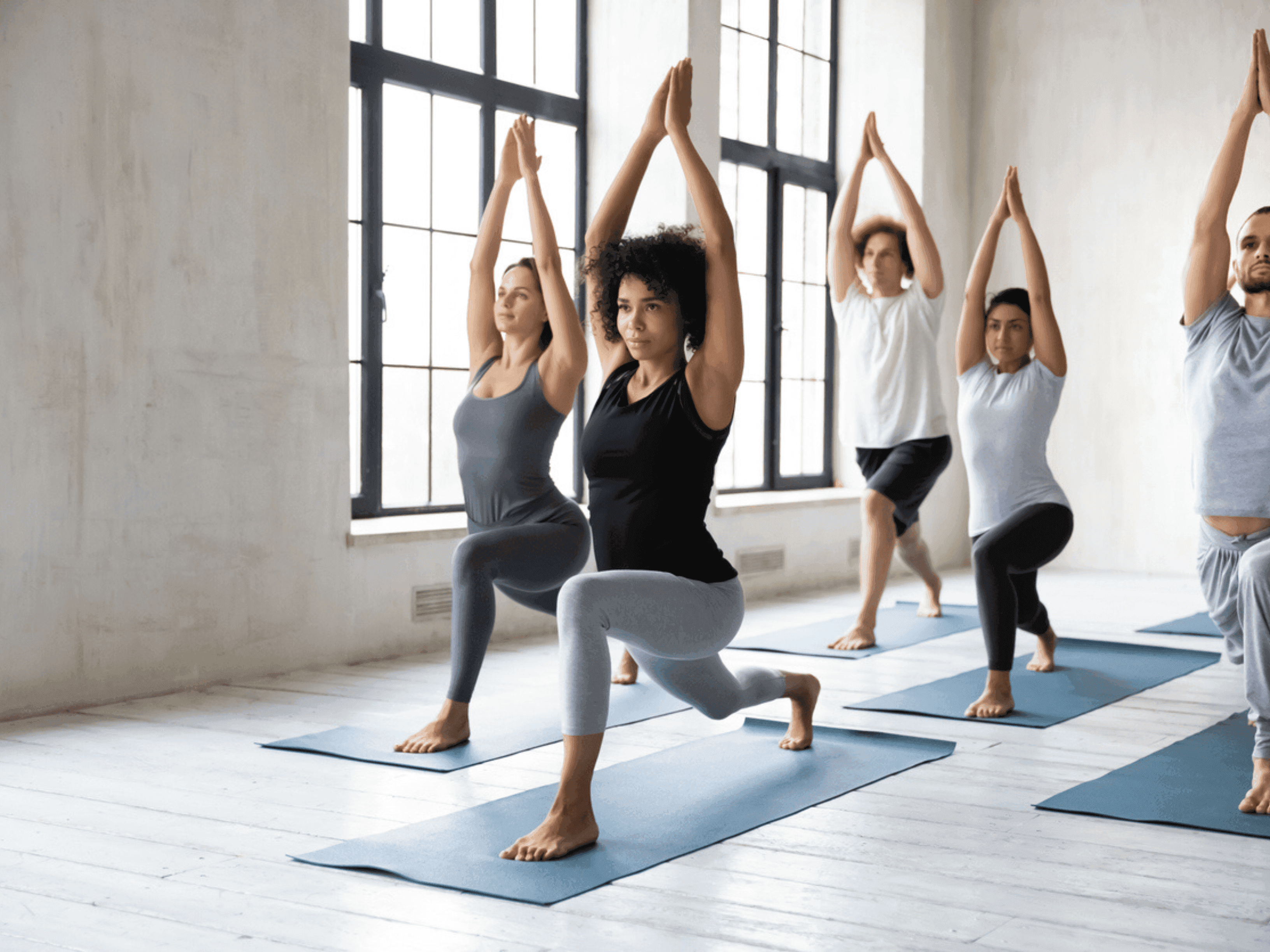
Hatha yoga offers a steady mix of postures and simple balances, with time set aside for stillness. It is often the most approachable option for beginners or anyone returning to movement. Many people find it useful when they want clear guidance and a well-rounded class without feeling rushed.
Gentle, chair or beginner yoga
These classes prioritise accessibility and comfort. They suit people who prefer low-impact movement or are living with lower energy and want time to build confidence without pressure. Teachers usually offer clear alternatives so you can adjust shapes in a way that feels right for your body.
On AMA, yoga professionals describe their teaching style and the types of sessions they offer. You can look for terms such as restorative, yin, vinyasa or gentle in their profiles and in session descriptions.
Which yoga class is best for beginners?
If you are starting yoga for the first time, beginner or gentle classes, hatha yoga and some restorative or yin sessions are often a good place to begin. On AMA, you can use these words in your search and then read profiles to check that the pace and level feel right for you.
Practical Factors That Shape the Right Yoga Class for You
Once you have an idea of the type of yoga that might suit you, everyday practicalities also matter. When people choose a yoga class, they usually look at more than just the style on the timetable.
The teacher’s style and energy
The person leading the class has a big impact on how it feels to be there. Factors people often consider include:
• How clearly the teacher explains movements and options.
• The tone they use and how they talk about bodies, effort and rest.
You may prefer a softer, quieter approach or a more upbeat one. Neither is right or wrong. On AMA, you can read profiles to get a sense of how a teacher describes their work, what they value, and who they usually support.
Class atmosphere and comfort
The overall atmosphere can be just as important as the poses. Some people feel at home in a busy studio. Others prefer a smaller space, a community setting, or the privacy of an online class.
Think about what helps you feel comfortable enough to focus on your own experience. That might be:
• Lower lighting and a quieter room.
• A more social class where you feel part of a group.
In online classes, you might also like the option to keep your camera on or off, depending on how you feel.
AMA includes both in-person and online yoga sessions, so you can choose the environment that feels safest and most realistic for you.
Schedule, location and format
Even the best yoga class will not support you if you can rarely attend it. Practical details such as time of day, travel and format make a difference.
Questions to ask yourself include:
• When do I have the most energy in my day?
• How much time can I realistically set aside, including travel if needed, and would an online class help me stay consistent?
On AMA, you can filter by time, day and location, and choose between one-to-one sessions and group classes. This makes it easier to find a yoga class that fits around work, caring responsibilities and other parts of your life.
Level and accessibility
Labels such as beginner or mixed level are helpful, but they can vary between teachers. It can help to read how a class is described and notice whether the teacher mentions options and adaptations.
If you are new to yoga, living with pain, or rebuilding strength, you might look for:
• Clear mention of alternatives and props, and an emphasis on listening to your body.
• Experience with specific groups, such as people returning after pregnancy or older adults.
You can also look for any mention of long-term health conditions that are relevant to you.
AMA’s professional profiles give space for teachers to explain their experience and typical class level, which can help you decide if their sessions feel right for you.
How AMA Helps You Find a Yoga Class That Fits Your Lifestyle
Reading about yoga is helpful, but AMA is designed to help you move from “I think yoga could help” to “I have found a class that fits my life” by making it easier to choose and book a session.
On AMA, you can:
• Explore yoga under the Activity pillar and see a range of sessions, from gentle and restorative classes to more dynamic flows.
• Filter by online or in-person formats, location, time and day, so the logistics work for you.
• Browse popular wellness sessions if you want ideas on where to start.
• Read professional profiles that outline teaching style, experience and the types of people they often work with.
• Look for additional tags related to stress, sleep, nervous system support or mindful movement if these are also important to you.
If you are unsure where to begin, you can start with the wellbeing quiz. Your answers can surface yoga alongside other options across Nutrition, Mindfulness and Sleep, so you see how different forms of support might work together.
There is no pressure to commit to a long-term plan. Many people start with a single session or a short block, then adjust once they have a sense of how the class feels in real life.
When Yoga Becomes Part of a Wider Wellbeing Routine
A yoga class does not have to solve everything on its own. For many people, it becomes one part of a wider routine that supports daily life.
You might notice that regular movement helps you feel more grounded and that time away from screens in a class gives your mind a break. Over time, a calmer body in the evening can also make it easier to wind down for sleep.
Others choose to combine yoga with support from professionals in other pillars. For example, you might work with a nutrition professional on steady energy, a mindfulness practitioner on stress, and a yoga teacher on gentle activity.
AMA brings these options together in one place. You can explore them at your own pace and adjust as your needs change.
Find a Yoga Class That Fits Your Life
Choosing a yoga class is really about matching the practice to the life you are living right now, rather than trying to change everything at once. If you know you want more calm, strength or headspace but feel overwhelmed by options, AMA helps you compare styles, teachers and formats in one place.
Explore yoga sessions on AMA or use the wellbeing quiz to find classes and professionals that fit your routine and support the way you want to feel day to day.
Ama’s products and services aim to support a healthy lifestyle, but they should not replace professional medical advice. Our content and media are not meant to diagnose, treat, or cure any medical condition.