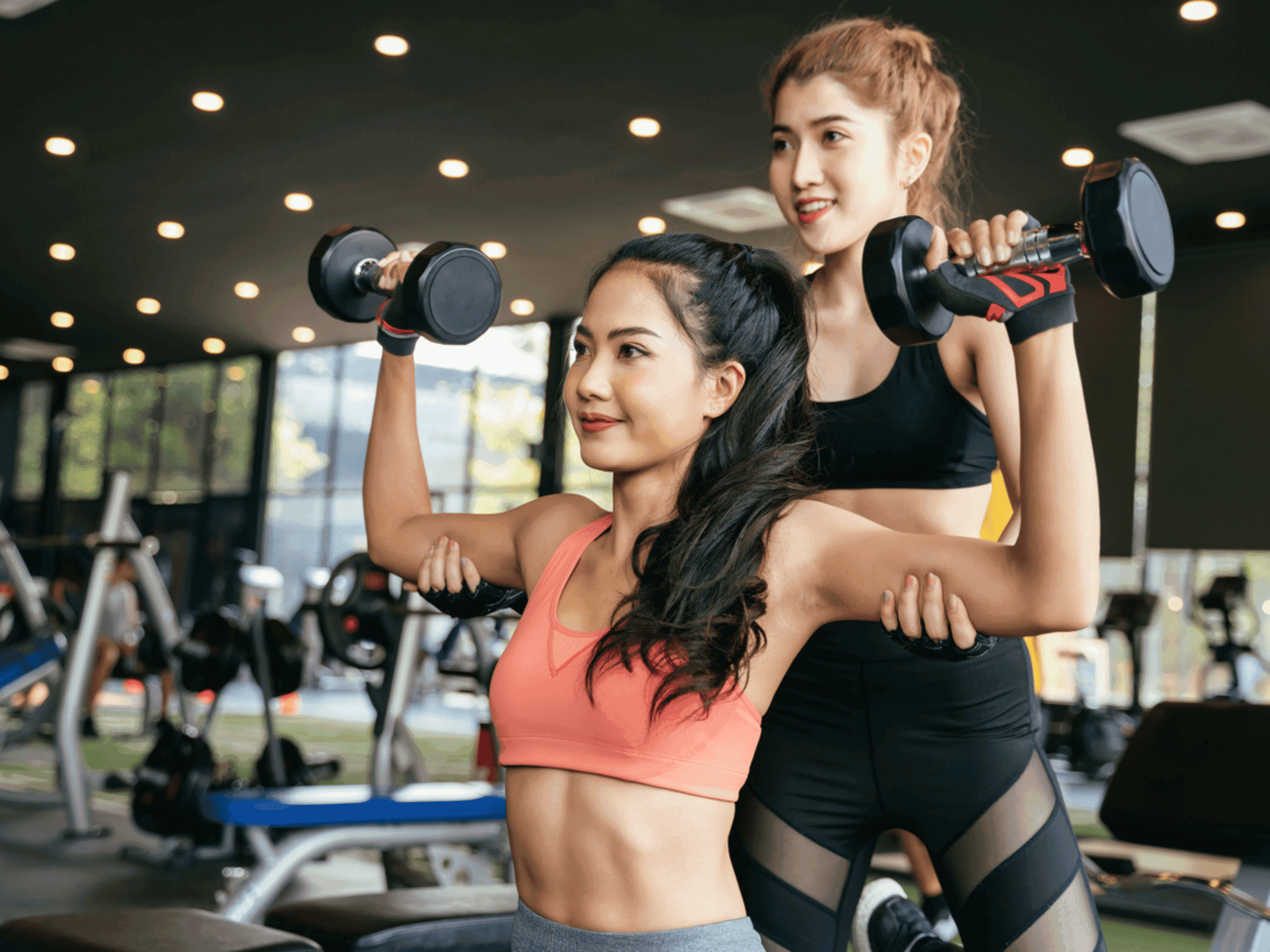
(6 Min Read) Starting or returning to exercise can feel daunting. Many people want support that feels understanding and realistic, with an emphasis on long-term wellbeing and sustainable progress. In recent years, coaching styles that prioritise health and confidence, alongside sustainable routines, have become more visible across the fitness industry.
As this has taken hold, demand for supportive and inclusive coaching has grown. A growing number of people now seek out trainers whose approach reflects more closely to how they want to feel while working on their health.
What has changed in expectations around personal training?
Personal training used to be associated with intense sessions and narrow ideas of progress. That image has gradually widened. People now arrive with varied goals that fit around work, family life, and health considerations.
More clients want coaching that considers sleep and stress, as well as recovery, as part of physical training. A broader view of wellbeing has influenced how trainers work and how clients choose support. Within that context, this type of coaching is commonly associated with an approach that recognises the realities of daily life.
Why does a supportive coaching style matter to clients?
Supportive coaching creates space for people to learn about their bodies without feeling judged. Progress feels easier to maintain when sessions adapt to energy levels and changing circumstances.
People drawn to a female personal trainer often describe feeling listened to and understood. Perceived empathy and communication style play an important role in practitioner-client relationships, particularly in engagement and adherence to health behaviours (1).
The emphasis tends to be on building confidence and developing consistency, with plans adjusted when life becomes busy. The approach reflects wider trends in wellbeing coaching.
How do female trainers approach wellbeing differently?
Some trainers choose to include conversations about stress, sleep, and recovery alongside physical training. Framing exercise within a wider lifestyle context can help people experience sessions as more supportive and manageable, encouraging regular participation.
Does personal experience influence coaching approach?
Lived experience plays a role in how trainers communicate. Understanding hormonal changes or body image concerns can shape how guidance is offered.
Some women especially prefer working with a female personal trainer because they feel more comfortable discussing sensitive topics related to their bodies or health. That can strengthen trust and make sessions feel safer.
Why are realistic goals becoming more appealing?
Expectations around fitness are changing. Clients increasingly value plans that don’t dominate their lives.
A female personal trainer is commonly linked with realistic goal setting that reflects individual circumstances. Realistic, flexible goals are associated with higher long-term participation compared with rigid or overly demanding plans (2). Progress might focus on feeling stronger or improving mobility, alongside building routines that support wellbeing. These goals feel achievable and easier to maintain.
How does communication shape the coaching relationship?
Clear communication helps people stay engaged. Knowing why exercises matter and how they connect to personal goals builds confidence.
A female personal trainer can explain adjustments in a reassuring and practical way. Such clarity reduces anxiety around doing things wrong and helps people feel capable during sessions.
How does inclusivity influence trainer choice?
Inclusivity has become a priority across health and wellness spaces. People want to feel represented and respected when seeking support.
Working with a female personal trainer can feel more inclusive for those who have felt uncomfortable in traditional gym environments. A sense of belonging supports consistency and encourages people to keep showing up for themselves.
Are clients looking beyond physical outcomes?
Physical changes still matter, yet they are only one part of the picture. A growing number of people now look for support that improves how they feel from one day to the next, not only how they look or perform. Energy levels and mood, along with the ability to recover between sessions, influence whether exercise feels sustainable.
When working with a female personal trainer, progress might show up as feeling more capable in daily tasks or sleeping more consistently, with less pressure on movement. These outcomes help exercise feel supportive and easier to live with.
A broader focus can also reduce the all-or-nothing mindset that causes people to stop training when life becomes busy. When physical training connects to emotional wellbeing and daily functioning, it feels easier to return after breaks and adjust expectations without guilt.
What practical elements stand out in female-led coaching?
Practical differences in how sessions are structured and discussed are regularly mentioned. These elements can make training feel approachable. Examples commonly highlighted include:
• Flexible programming that adapts to changing energy levels
• Emphasis on technique and injury awareness
• Open conversations about rest, recovery, and lifestyle factors
The structure supports consistency without pressure and aligns with broader wellbeing trends.
Where does choice fit into the coaching journey?
Goals and preferences can change as work patterns or personal responsibilities shift. Coaching that allows flexibility helps people to remain consistent without feeling locked into one approach.
Many value working with a female personal trainer because sessions can adapt without judgement. Plans can be reshaped to match energy levels or confidence, helping exercise remain part of life without adding unnecessary pressure.
AMA supports this flexibility by making it easier to explore different coaching styles and find a trainer who fits personal goals at a given moment. You stay in control of your pace and direction, with the option to adjust support as and when you need to.
How does this trend connect with AMA’s approach to wellness?
Our platform brings together professionals across nutrition, activity, mindfulness, and sleep. Many benefit from support that considers how these areas influence one another.
Choosing to work with a female personal trainer through AMA can support a more balanced approach to health. Sessions can sit alongside guidance in other pillars, helping people build routines that feel manageable and supportive.
Explore with AMA
Personal support helps many people stay consistent with new routines. We offer access to professionals who prioritise inclusive and sustainable coaching styles.
If you feel ready to explore this further, you can sign up to AMA and book a session with a female personal trainer who matches your needs and supports your wellbeing goals.
References
1. Habib Yaribeygi, Yunes Panahi, Hedayat Sahraei, Thomas P Johnston, Amirhossein Sahebkar. The Impact of Stress on Body Function: A Review. 2017 July 21. https://pmc.ncbi.nlm.nih.gov/articles/PMC5579396/
2. Frank W Booth, Christian K Roberts, Matthew J Laye. Lack of exercise is a major cause of chronic diseases. 2014 Nov 23. https://pmc.ncbi.nlm.nih.gov/articles/PMC4241367/
Ama’s products and services aim to support a healthy lifestyle, but they should not replace professional medical advice. Our content and media are not meant to diagnose, treat, or cure any medical condition.