(6 Min Read)
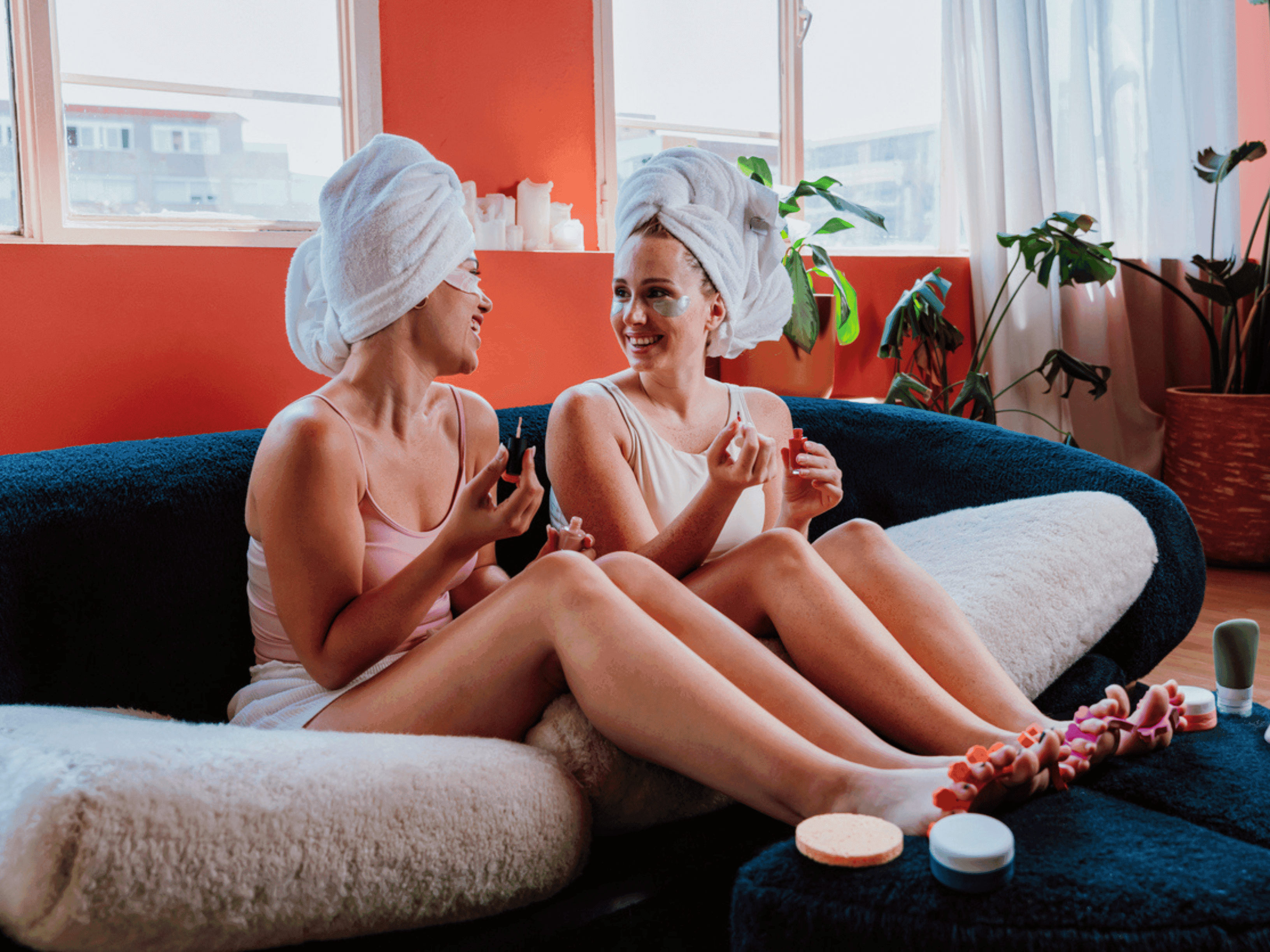
You’ve probably heard the term “self-care” tossed around in lots of different settings. But what does it mean to you? Maybe you think of spa days, digital detoxes, or going to bed early. But beneath those surface images, self-care is much more personal and often much more practical. It's how you care for your energy, your clarity, and your ability to handle what life throws your way.
AMA is a wellbeing platform designed to help you take control of your lifestyle through small, consistent actions. We focus on four key pillars: movement, nutrition, mindfulness, and sleep to guide your self-care in a sustainable way.
In this article our expert at ama will gives you the tools and insights to improve self-care habits!
What is self-care, really?
Self-care is any action you take deliberately to care for your physical, emotional, or mental health. When you take time to care for yourself, you’re better equipped to handle life’s demands, support others, and make healthy decisions.
There’s no one-size-fits-all approach to self-care. What works for one person might not work for another. For some, it’s going for a run; for others, it’s sitting quietly with a book. The key is understanding what helps you feel balanced and energised.
Why is self-care so important?
Self-care supports your overall wellbeing. Without it, stress can build up, your health can decline, and your mood can take a hit. The effects of long-term neglect can show up as fatigue, anxiety, low motivation, and even physical illness.
Here’s how self-care supports your health:
• Physical health: eating well, sleeping enough, staying active, and taking breaks when needed can improve energy levels, immune function, and long-term wellness.
• Mental clarity: taking mental breaks, reducing digital overload, and spending time doing things you enjoy helps your mind stay sharp and resilient.
• Emotional balance: regular self-care allows you to process emotions, manage stress, and feel more in control of your life.
Types of self-care
Self-care is broader than most people realise. It touches every part of your daily life. Some common types include:
• Physical: movement, sleep, nutrition, hydration, and rest
• Emotional: talking to someone you trust, journaling, setting boundaries
• Social: spending time with people who uplift you, asking for help
• Spiritual: practising gratitude, meditation, or connecting with your values
• Practical: organising your day, managing your finances, reducing clutter
• Digital: limiting screen time, taking social media breaks, muting notifications
What self-care isn’t
It’s important to clarify what self-care isn’t. It’s not an excuse to avoid responsibility or a quick fix for burnout. It doesn’t always look like relaxing with a scented candle, it can sometimes mean making hard choices, like saying no to something that drains your energy.
Self-care is about prevention, not just recovery. Waiting until you’re overwhelmed to check in with yourself misses the point. Think of it as maintenance, not damage control.
How to start practising self-care
Not sure where to begin? Start small. Choose one thing each day that supports your wellbeing, no matter how minor it seems. Consistency matters more than perfection.
• Set a bedtime reminder and stick to it
• Drink water first thing in the morning
• Take a short walk at lunch
• Write down three things you’re grateful for
• Schedule 10 minutes of tech-free time
These small habits build up over time. As you start to feel the benefits, you’ll naturally want to continue.
The role of self-care in holistic wellness
Self-care connects with every other part of your health. It supports your physical resilience, mental focus, emotional balance, and social connection. In short, it gives you the strength to show up fully for yourself and others.
At ama platform, we view self-care through the lens of four interconnected pillars: movement, nutrition, mindfulness, and sleep. Each one complements the others, creating a foundation for daily resilience, clarity, and sustained wellbeing.
• Movement: physical activity is a powerful form of self-care. It doesn’t need to be intense. A short walk, a yoga session, or simply standing and stretching during the day can improve circulation, lift your mood, and help regulate sleep. Movement keeps your body strong and your mind alert.
• Nutrition: fuelling your body with balanced, nourishing meals is another essential act of self-care. Being mindful of what you eat helps stabilise your energy levels, supports digestion, and contributes to emotional stability. Planning meals, staying hydrated, and limiting processed food are all self-care habits that add up.
• Mindfulness: taking time to pause, reflect, and ground yourself is part of maintaining mental and emotional wellness. This might mean journaling, meditating, or simply stepping outside for a moment of quiet. Mindfulness reduces stress and helps you respond rather than react to challenges.
• Sleep: quality sleep is an absolute necessity. Setting up a healthy bedtime routine, limiting screens before bed, and keeping a consistent schedule are all ways to care for yourself. Without rest, even the best habits struggle to stick.
When you embed self-care into each of these areas, it becomes part of your lifestyle. And that’s what sustainable wellbeing really looks like.
Making self-care part of everyday life
You don’t need to wait for stress to catch up with you before you take care of yourself. Start now, start small, and stay consistent. Self-care is not a seasonal trend or temporary fix. It's a long-term commitment to respecting your limits and investing in your wellbeing consistently.
You’re allowed to take care of you. And you’re better for it when you do.
Looking for tools to help make self-care part of your daily routine? Ama platform is built to support your wellbeing with smart, easy-to-use solutions that fit into your lifestyle.
Ready to take self-care to the next level? Ama platform helps you track and improve daily habits in a way that fits your real life.
Explore ama and get started today!
Ama’s products and services aim to support a healthy lifestyle, but they should not replace professional medical advice. Our content and media are not meant to diagnose, treat, or cure any medical condition.